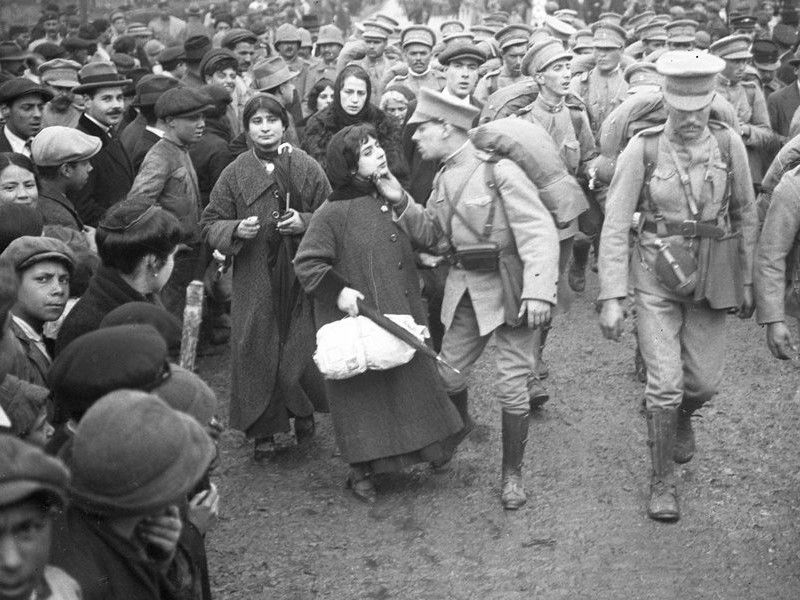
March 9th, 1916 marks the date that Portugal officially entered WWI (there had been previous engagements in the Portuguese colonies of Mozambique and Angola prior to this). Portugal’s involvement in this war is much too long and complex to discuss in detail here. However, being a big history enthusiast, I couldn’t let this centennial go by without marking it in some way. So I found some memorable stories from Portugal’s part in the Great War to share with you here. I’ve called them the Good, the Sad and the Ugly.
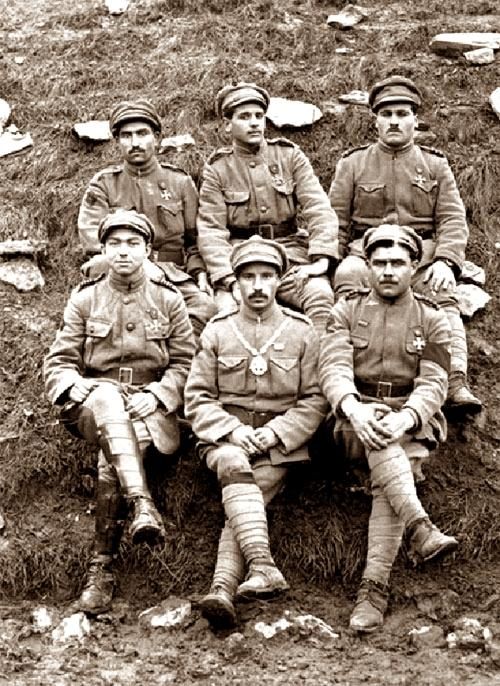
The Good: The most decorated Portuguese soldier in WWI was a man by the name of Aníbal Augusto Milhais, who later become known as Soldado Milhões (meaning Soldier Millions). In 1918, in the Battle of the Lys (more below), Milhais found himself alone in a trench with nothing but his Lewis machine gun. Instead of fleeing, he shot at and successfully held back German attacks whilst Portuguese and Scottish troops retreated. At one point, he was surrounded by German forces but managed to flee, even rescuing a Scottish major. A modest farmer, his valiant efforts – at the battle of the Lys and elsewhere – were only documented as a result of other soldiers’ retelling of the events. He received the highest Portuguese distinction, the Ordem Militar da Torre e Espada, do Valor, Lealdade e Mérito (the Order of the Tower and Sword, of Valor, Loyalty and Merit), and the highest French distinction, the Légion d’Honneur (the Legion of Honor). His hometown, Valongo, was renamed Valongo de Milhais after him, in 1924.
For a recording of Soldado Milhões recounting his feats, click here.
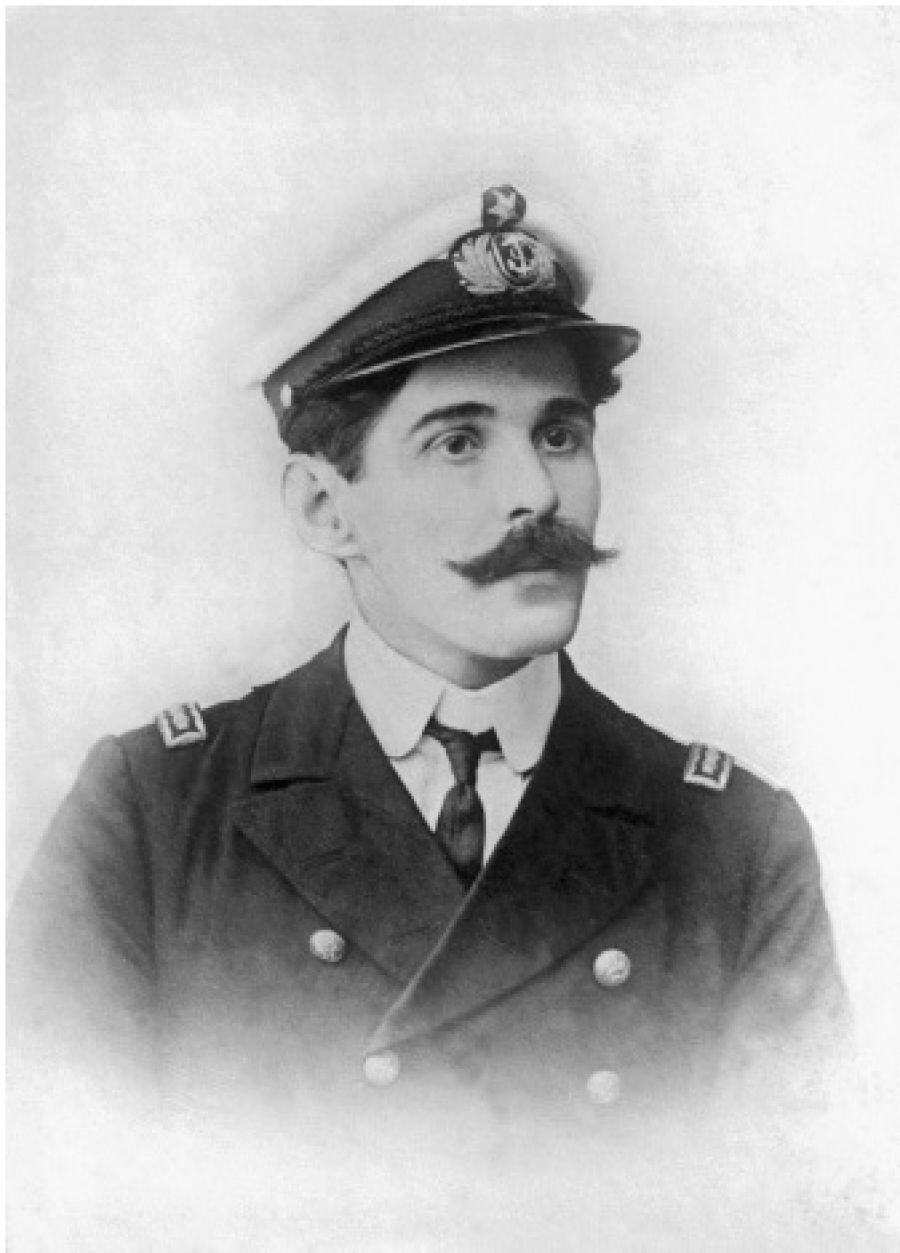
The Sad: When you think of WWI, you automatically associate it with trench warfare. However, not all confrontations were fought on land. Such is the case of the brave story of Carvalho Araújo. Carvalho Araújo’s patrol ship, the Augusto Castilho was in charge of accompanying a merchant ship, the S. Miguel, to Ponta Delgada in the Azores. At 6 am on October 14th, 1918, the S. Miguel was attacked by a German submarine. The Portuguese ship wasn’t as well-armed as the German submarine and its fire couldn’t reach the enemy. So Carvalho Araújo swerved the Augusto Castilho between the merchant ship and the German fire, moving towards the enemy. At the critical moment when they were near enough to hit the enemy, their ammunition ran out, at which point he said, “Morro como Português” (“I die as a Portuguese”). Acknowledging evident defeat, he asked for a white flag to be hoisted. The white flag had been destroyed so a table cloth was used instead. He then ordered that a Portuguese flag be raised so the Germans could see they were firing against proud Portuguese. Moments later, he was struck by more fire. He uttered the word “Morro…” before dying, without finishing his sentence, aged 37.
For an eloquent account of the events of that day, click here for a video interview of one of the crew on that ship.
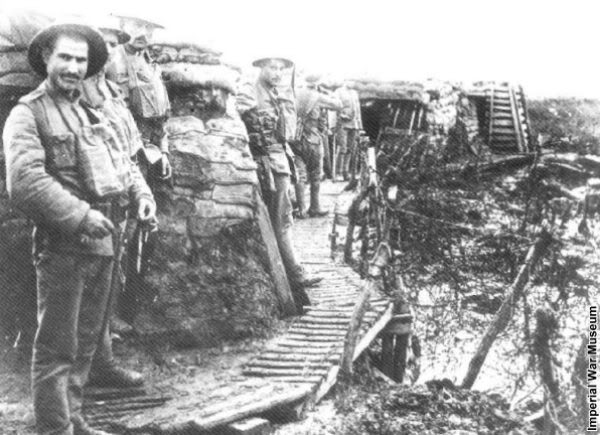
The Ugly: The Battle of the Lys, in April 1918, was the worst battle for Portuguese casualties and the one most Portuguese associate with WWI. The Portuguese Expeditionary Corps (PEC) who was on the ground when the German offensive took place, was suffering from low morale as it was supposed to have been replaced by British troops, who failed to do so. The Portuguese division was also lacking in officers that day, was under-armed and poorly-trained. To make matters worse, British troops retreated, leaving open flanks on both sides of the CEP making it easier for the Germans to advance. In merely four hours, Portuguese troops suffered up to 1,341 fatalities, 4,626 wounded, 1,932 missing and 7,440 prisoners (there is some debate on actual figures as some historians state these numbers are greatly inflated).
I looked into my own family history on this topic and know there were some relatives of mine who fought in the war. One story, to end this post on a lighter note, involves one relative whose husband was away. As he was away, she stood by the side of the road with a knife and a chicken, because she couldn’t bring herself to kill the chicken for dinner. She found a soldier walking, on his way to the war. She asked if he would be able to kill the chicken for her. He did it, then and there, saying, “Ó, com certeza minha senhora, assim fosse tão fácil matar os alemães na guerra…” (“Oh certainly ma’am, if only it were this easy to kill the Germans in the war…”)


[…] You can also explore the museum inside, which focuses on three 20th century aspects: WWI, the Guerra do Ultramar and Peacekeeping Missions. You will also see the tomb of an unknown […]