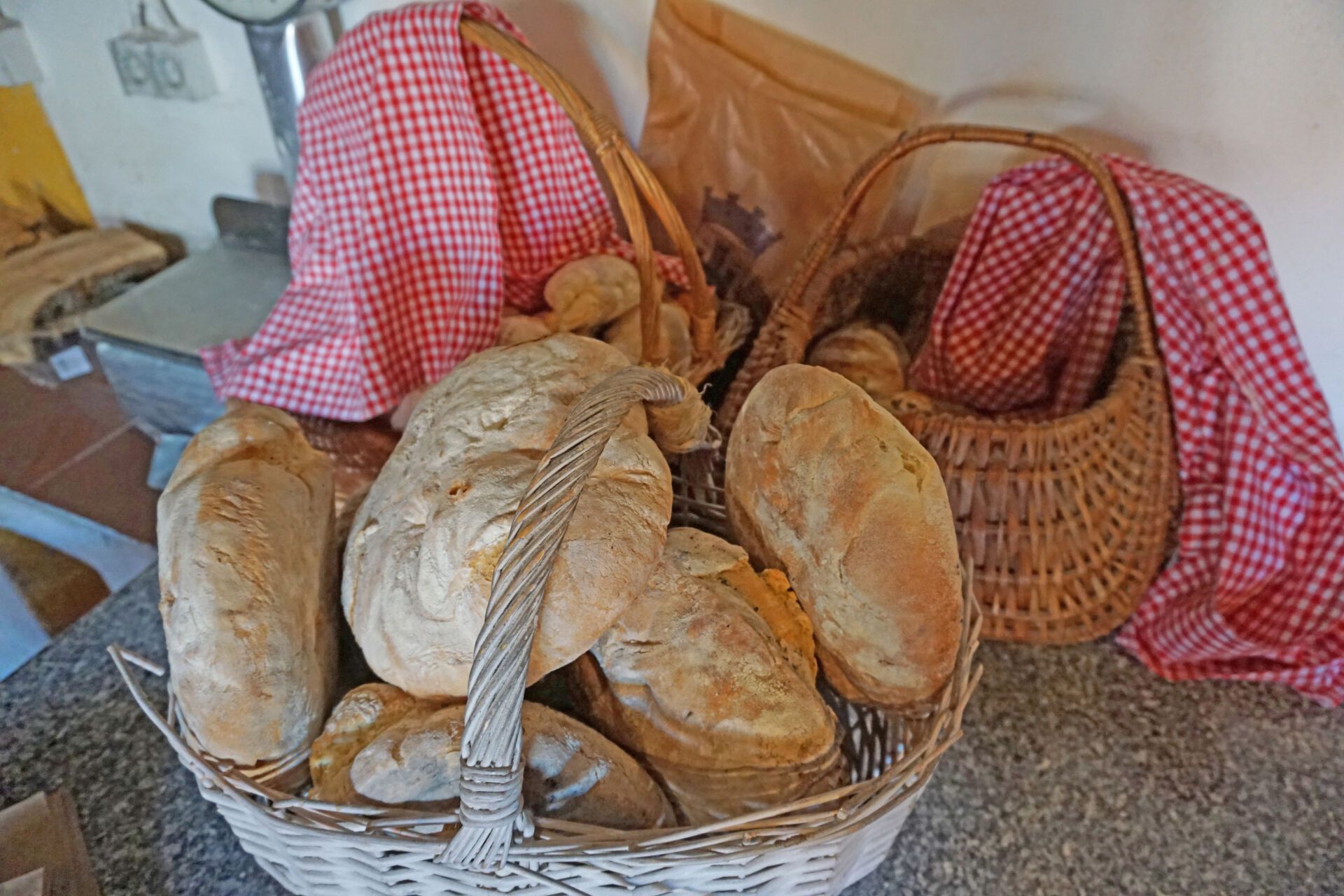
A big culture shock for Portuguese people who move abroad is the relationship we have with bread back home compared to other countries. In Portugal, bread is a ritual, almost a religion: people buy fresh bread every day and there’s always a basket of bread on the table at every meal. More often than not, breakfast is toast or a sandwich. In fact, it’s so integral to our culture that one of Portugal’s most quintessential songs, “Uma Casa Portuguesa” which translates to “a Portuguese house”, by Amália Rodrigues begins with the following (translated) lyrics: “In a Portuguese house, bread and wine is on the table…”. The term “bread and wine” is repeated again in the song, highlighting its centrality in a Portuguese home.
When I first moved abroad as an adult, it shocked me that people in England and the US would buy a loaf of sliced bread (which I barely even consider to be bread) and eat from that loaf for a week. And while my American husband calls me a bread snob on a regular basis, I consider myself to be a bread appreciator and love sharing Portuguese breads with others.
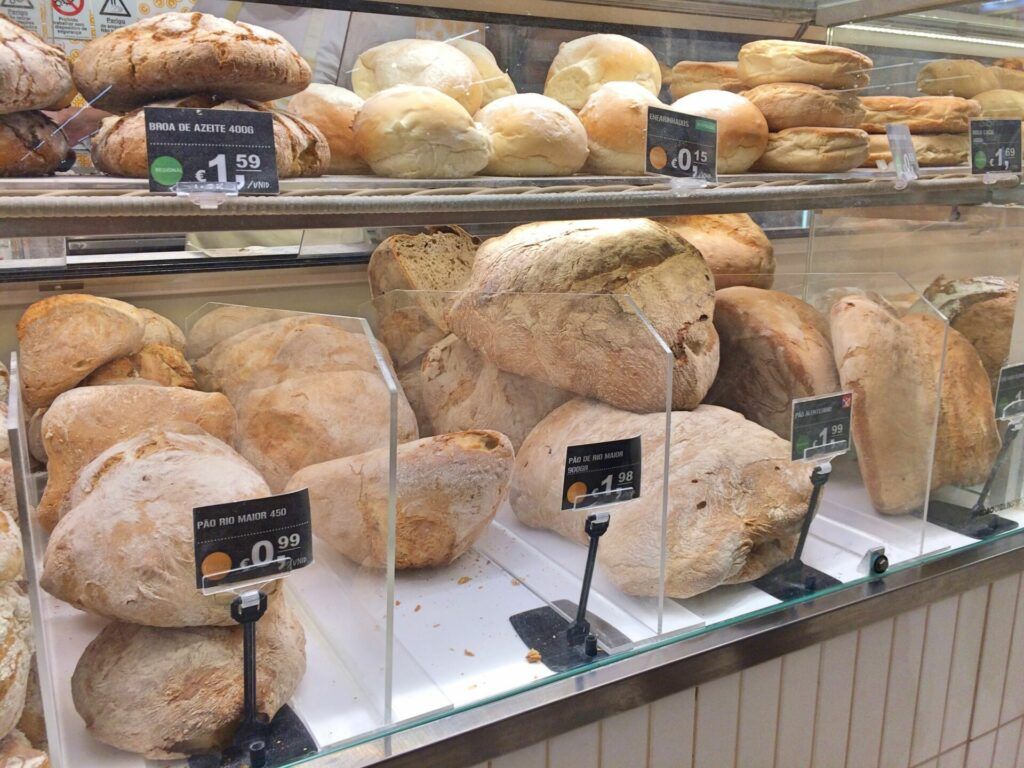
Going into a padaria (a bread bakery) in Portugal can be a little overwhelming for first-timers, so here’s a guide to help you navigate your way through the experience. The following isn’t meant to be an extensive list of Portuguese breads, but knowing these basic varieties will ensure you get to sample a wide selection of breads when you go to Portugal… and impress everyone at the padaria.
Bread (pão): The Basics
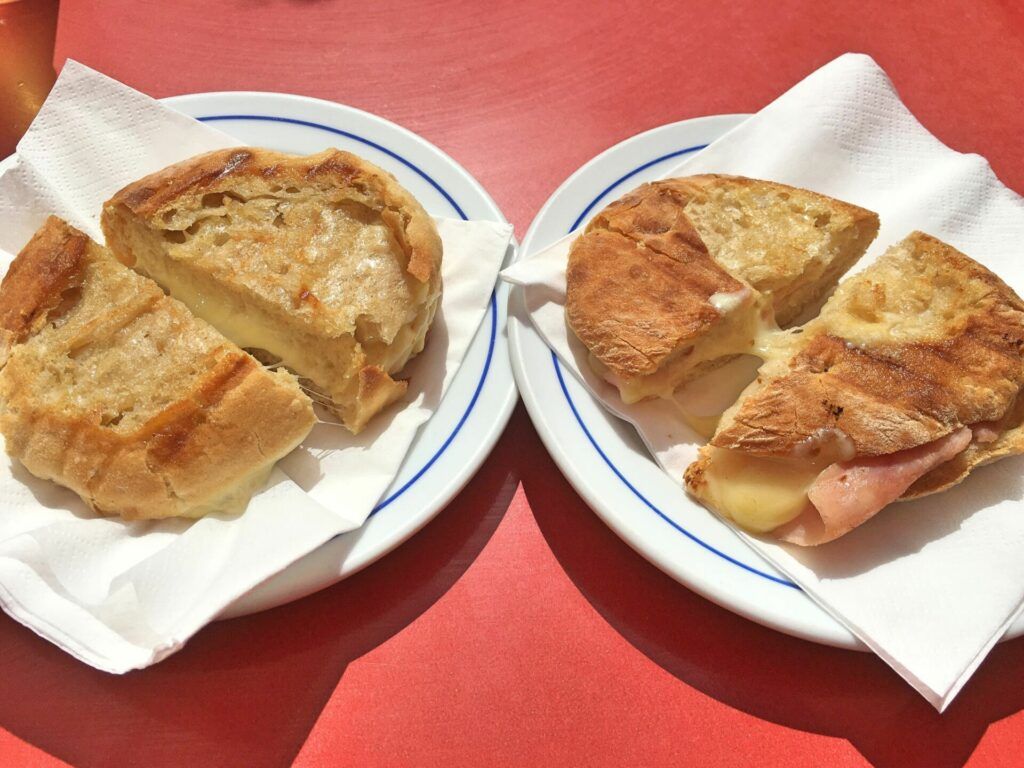
Papo-seco/carcaça
This type of bread is a standard bread made of wheat flour and is shaped into single-serving loaves. They’re used to make typical Portuguese toasted sandwiches, tostas (below), which contain ham, cheese, or both and are usually eaten at breakfast or lanche.
Bola de mistura
This wheat and rye bread is individually sized into balls. It’s a standard table bread. With a fluffy inside and a chewy crust. It makes great sandwiches as the bread doesn’t fall apart easily.
Pão de Mafra
This is a large loaf of bread hailing from the region of Mafra. It is made from artisanal flour and has a long fermentation period. The inside is very fluffy, while the crust is crunchy. You can also find it in single serving sizes, which are called bolas de Mafra.
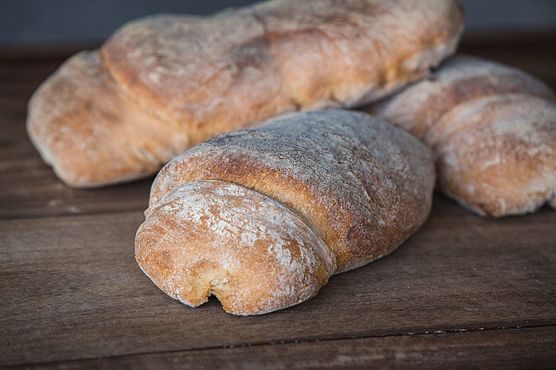
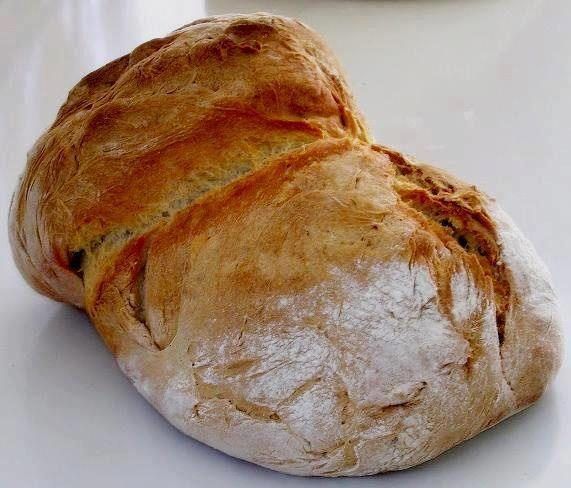
Pão Alentejano
This very iconic Portuguese bread comes from the Alentejo region. The wheat flour should come from the Alentejo, the yeast should be home-made and it should be cooked in a wood oven to be authentic. Because it’s such a large bread, it’s usually eaten in slices. It has a little extra “crown” on top.
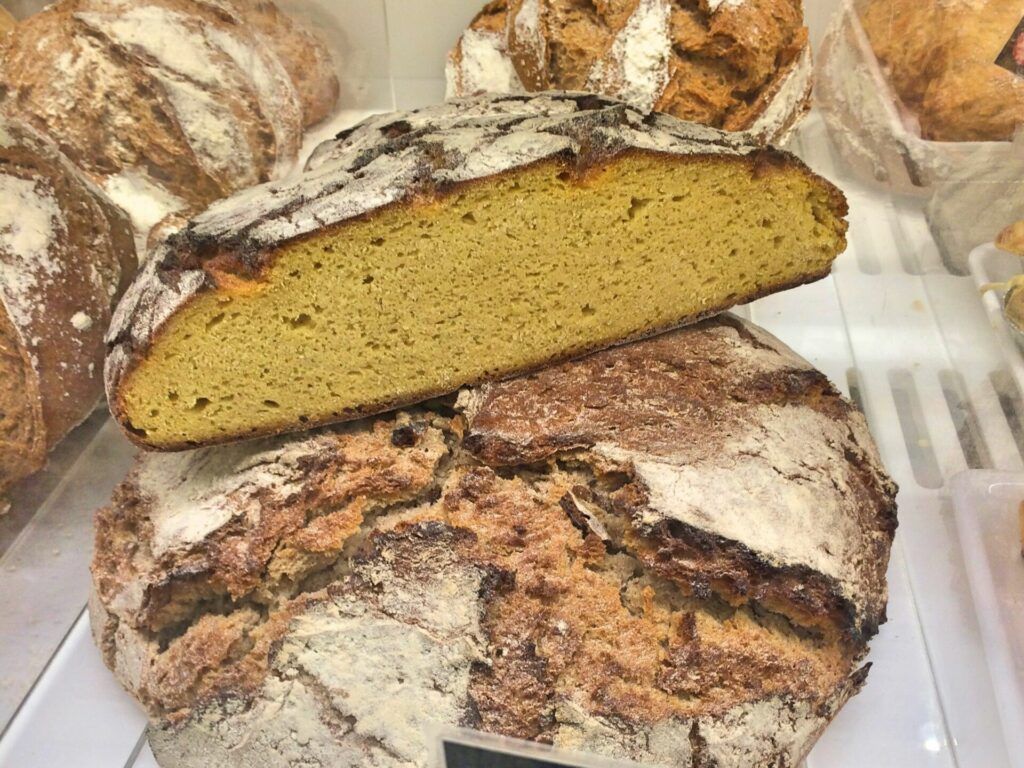
Pão de milho ou Broa de Milho
You might be surprised to know that Portugal makes some very delicious cornbread. In fact, it’s one of the oldest varieties of Portuguese bread. Try some wood oven baked pão/broa de milho and see for yourself.
Pão de centeio
Centeio means rye. Portuguese rye bread is lighter than some other varieties of rye bread around the world but still very flavorful.
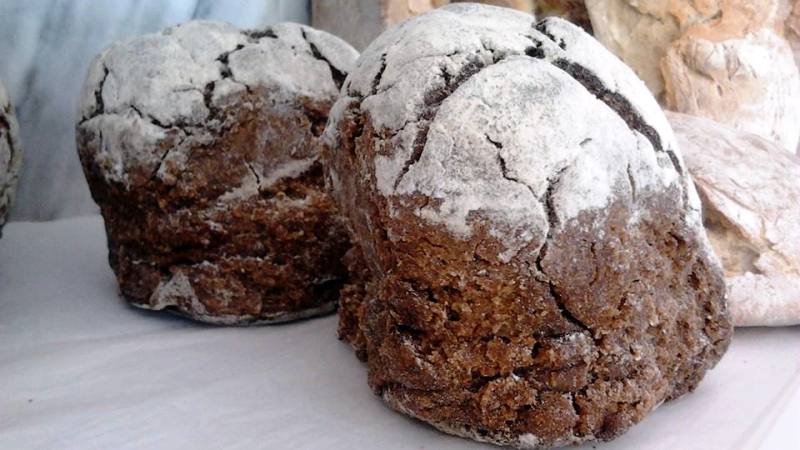
Broa de Avintes
This one I had to include because it’s one of my favorites. It’s a very dense and dark bread from Vila Nova de Gaia made from corn and rye flour. I love it with some queijo fresco or requeijão cheese.
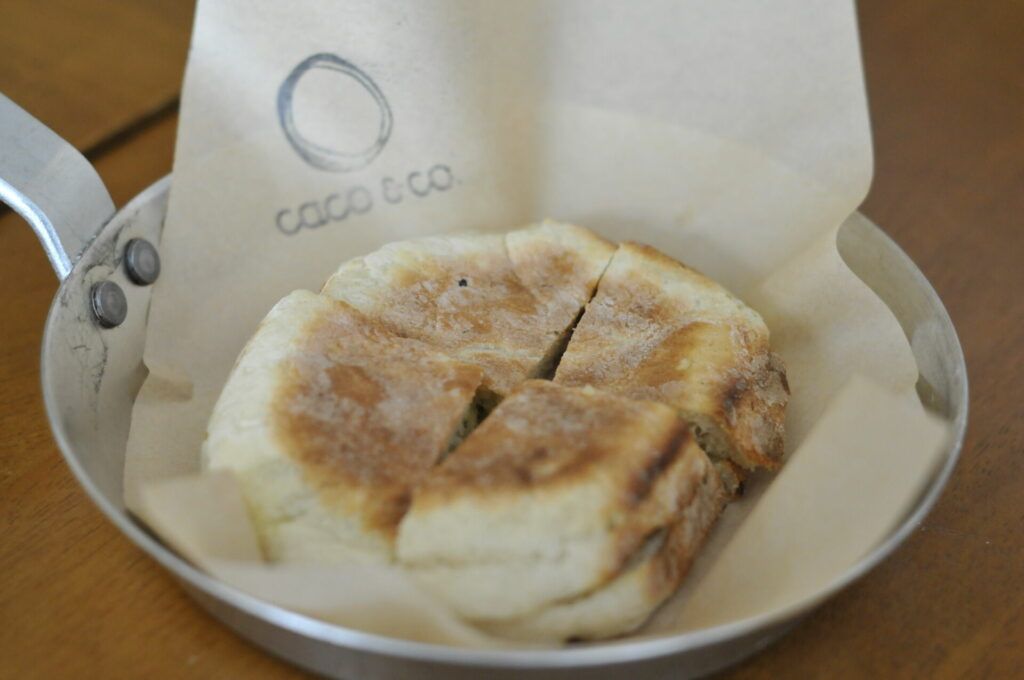
Bolo do caco
This type of bread is native to Madeira. It’s round, flat and soft. Traditionally, it’s eaten warm with garlic butter (which then melts into the holes of the bread) or as a sandwich, with steak or other fillings.
Specialty Breads
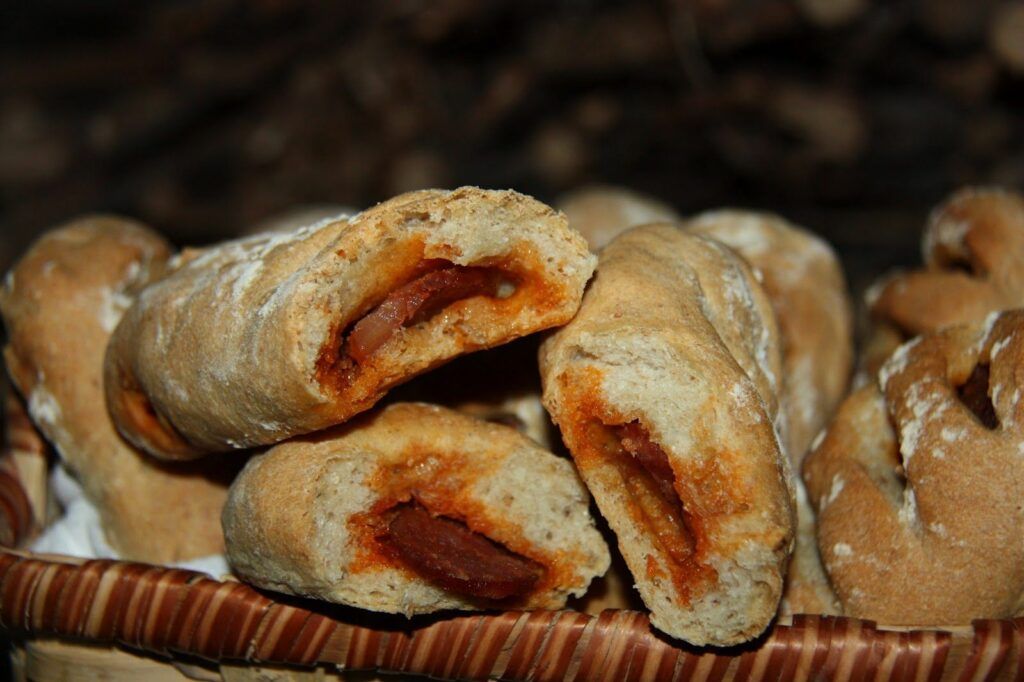
Pão com chouriço
This bread is individually-sized and cooked with slices of chouriço inside. Best served warm. If you love chouriço, this is a must!
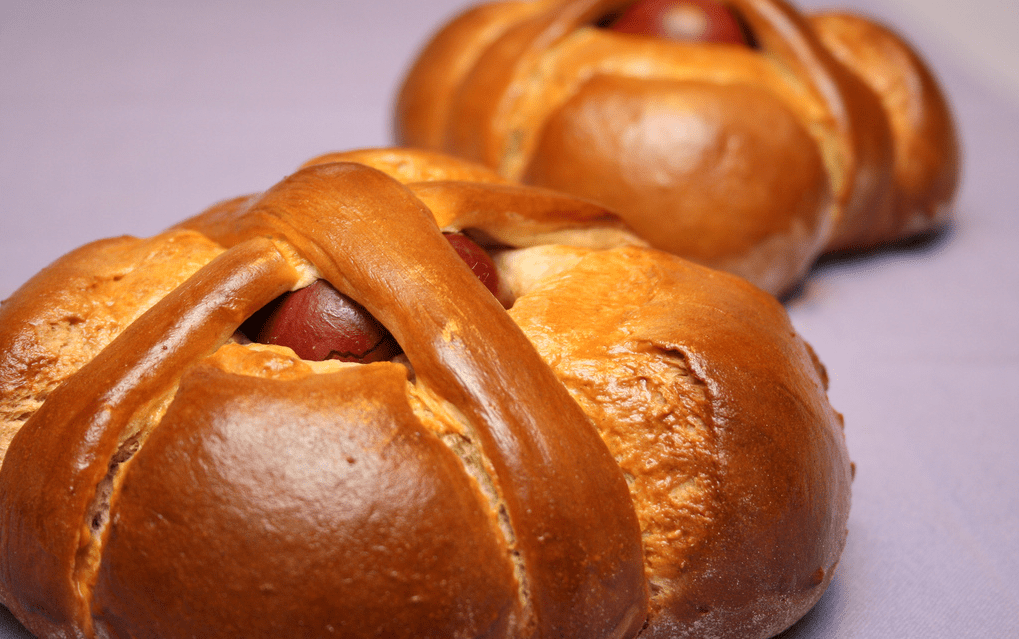
Folar da Páscoa
This is a sweet, glazed bread traditionally eaten at Easter. It is shaped to look like a nest and has boiled eggs on top (very Eastery).
There you have it: a glimpse into the world of delicious Portuguese breads that you need to try. Don’t forget we have some excellent cheeses, meats, honey, and jams to go with all those loaves! Oh, and if you suddenly realize you love bread as much as a Portuguese person, you may want to head to the Bread Museum (o Museu do Pão) on your next trip. It’s on my list!


Awesome! Leaving for Portugal on the 24th of June. The corn bread looks out of this world.
Have an amazing time! It is! I love it
We are heading to Portugal for three weeks in September. This will be my first trip but my husband lived there for two years. Thank you for your blog. It has been so interesting and educational! I can’t wait to try the breads, but I’m diabetic so I will have to restrain myself somewhat!